Top storyThinking·26 Jul
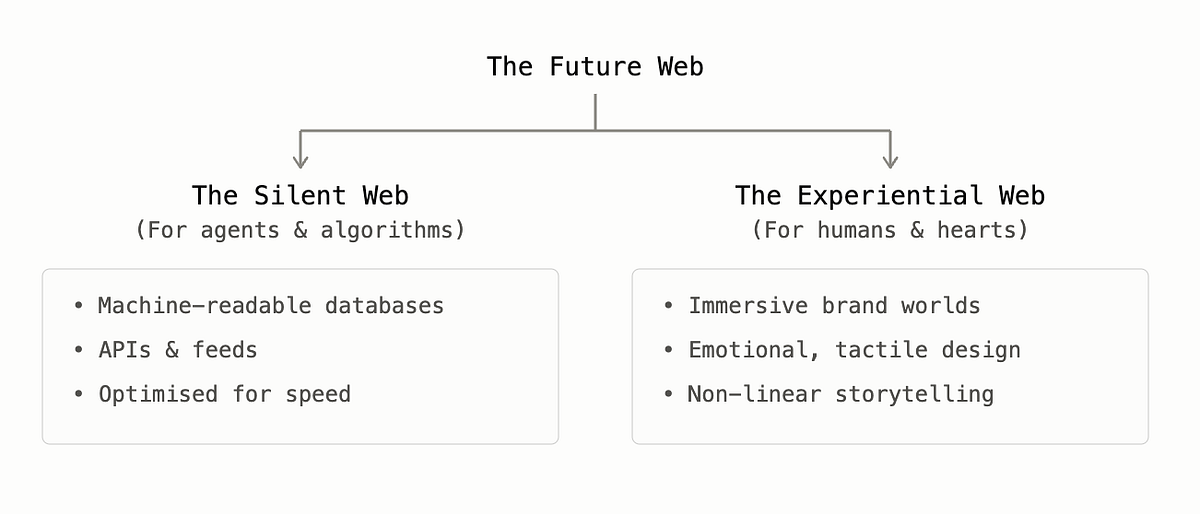
Your website is boring (but that might just set it free)
The templated web, driven by efficiency and conversion optimization, has led to homogenized websites, sacrificing brand differentiation and making them forgettable.
UX Collective
7 min readIn this edition
Stories from Sunday, 26 July 2026
UX Collective
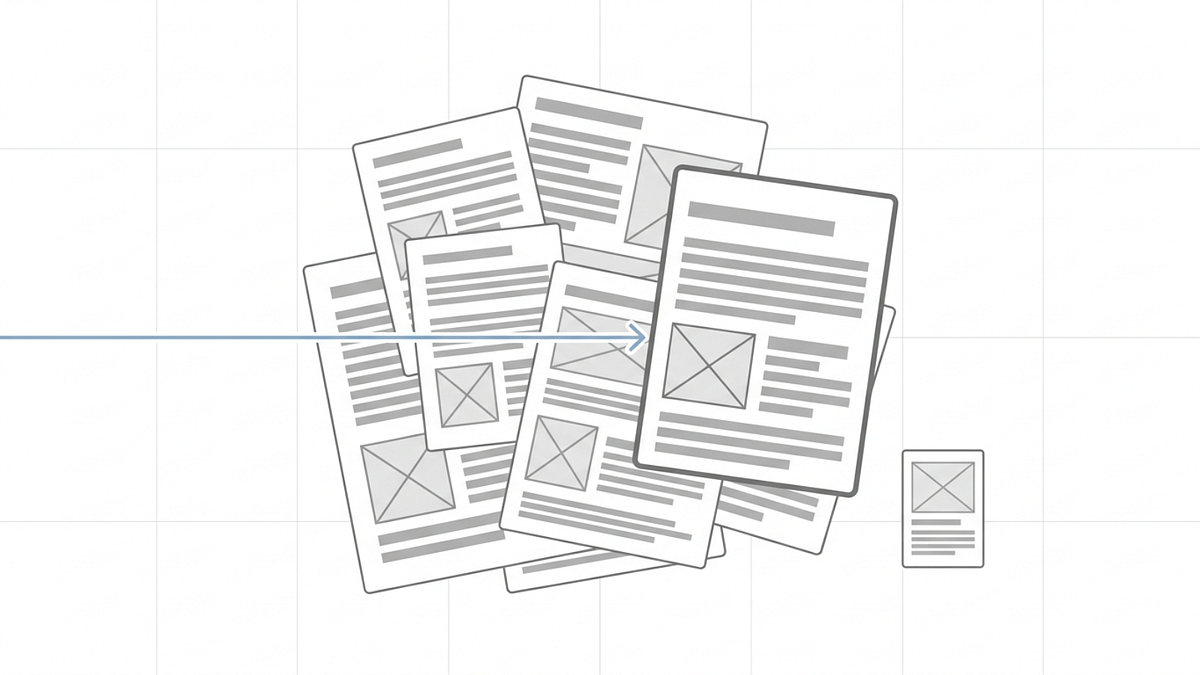
ThinkingInformation architecture is the foundation artificial intelligence is starving for
Poor information architecture causes AI problems like hallucinations and wrong answers due to disorganized content stores.
26 Jul12 min read
Muzli
InspoWhy Most UX Advice Fails in Tier 3 or Rural India
Many common UX design assumptions, such as stable internet and digital literacy, fail to apply to the next 400 million users coming online in Tier 3 and rural India.
26 Jul7 min read

Muzli
InspoSpotting Good, Bad & Ugly Error Messages: A UX Guide
Designers should write error messages that clearly communicate what happened, why, and what to do next to help users recover quickly.
25 Jul4 min read

Codrops
InspoThe Art of Continuous Transformation: How Garden Eight Blends Integrity with Play
Garden Eight, a Tokyo-based studio, integrates design and development to create visually striking, evolving websites, prioritizing integrity and playfulness in their digital communication approach.
24 Jul8 min read

UX Collective
ThinkingSteal this UX framework from Dubai’s most over-the-top hotel
A Google UX researcher suggests studying hotels, specifically Dubai's Atlantis The Palm, to uncover hidden user experience design principles in hospitality.
23 Jul7 min read
UX Collective
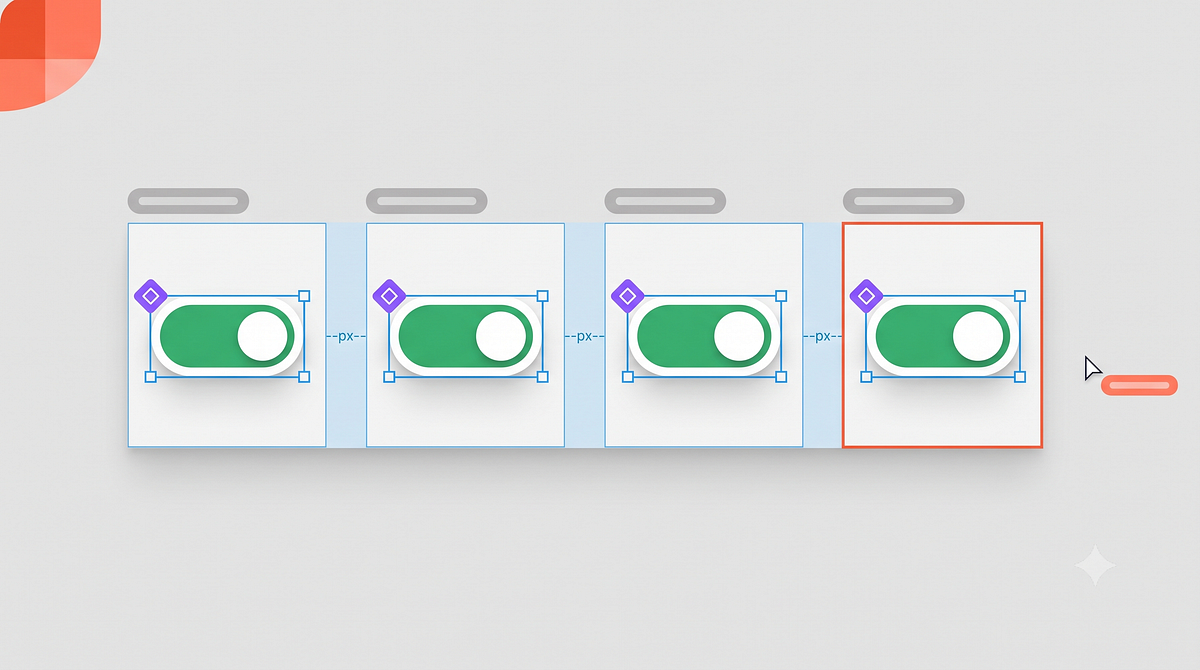
ThinkingFour questions every tool should answer (even Figma) about AI training model usage
Design tools should answer four questions regarding their AI model training practices to build user trust, especially after recent controversies involving Figma, Zoom, Slack, and Adobe.
23 Jul17 min read

Editor's pick
The seams are where the system lives
Partitioning a system into clean modules does not remove complexity, it instead relocates the complexity to the seams between those modules, as seen in city zoning and software microservices.
UX Collective
Look & feel
Inspiration picks
Visual references from across the design web.