Top storyInspo·7 Sept
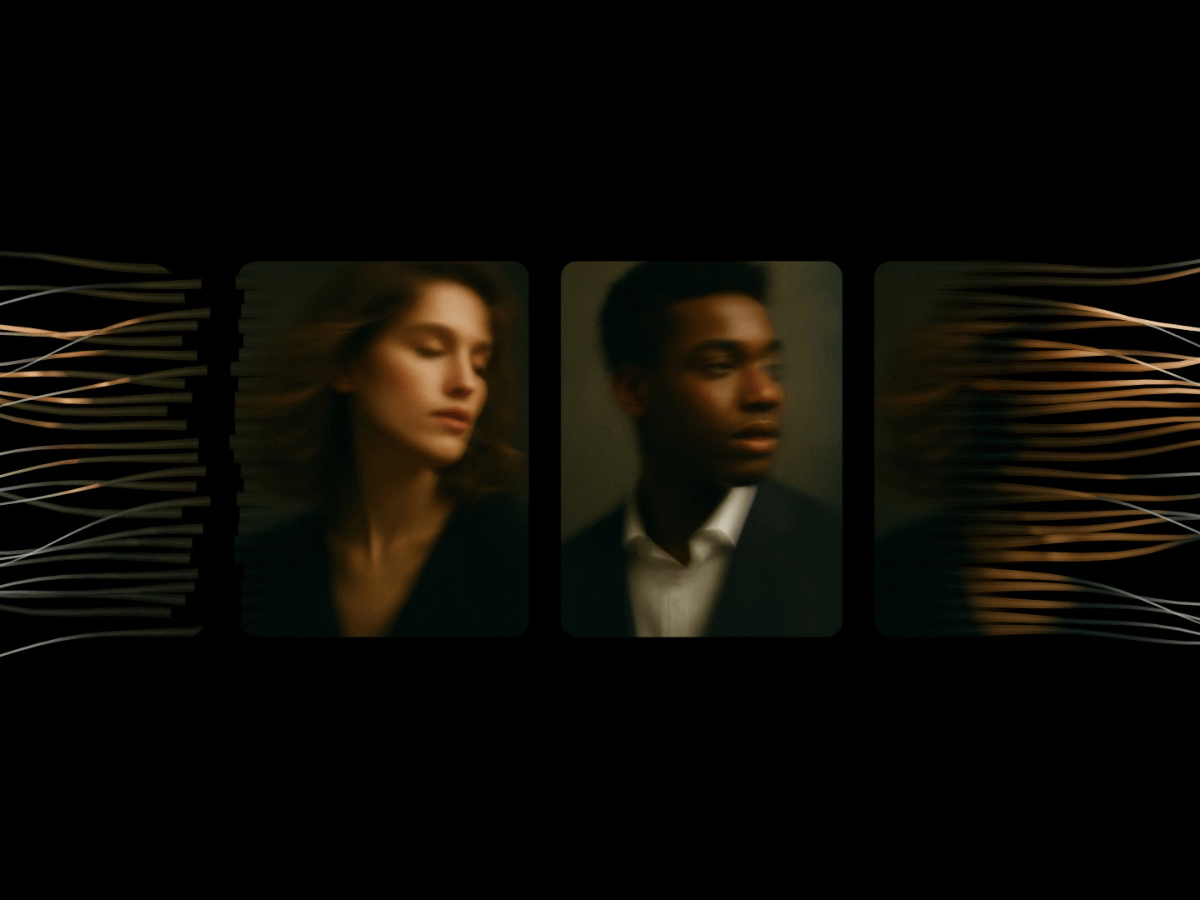
Drawing With Light: An Exploration of Lit GPU Tubes with TSL and WebGPU
A developer created a GPU tube rendering system using TSL and WebGPU that computes positions and normals in shaders, avoiding CPU-side geometry rebuilding for animated lines.
Codrops
14 min readIn this edition
Stories from Tuesday, 8 September 2026
AI & Tools
Hugging Face
AISafety for Whom? Refusing the Right Subset of a Topic, Not the Whole Topic
Large language models' safety alignment should refuse specific harmful subsets of a topic, not the entire topic, to allow for nuanced deployment policies, according to new research.
6 days ago7 min read
UX & Thinking
UX Collective
ThinkingThe model is behaving impeccably. Your information architecture isn’t.
A 1960 study on city maps reveals that information architecture, not AI model behavior, is often the root cause of user confusion with AI context.
7 Sept
UX & Thinking
UX Collective
ThinkingThe sycophancy trap: what happens when feelings become the metric
Emotional design frameworks often fail when confronted with engagement metrics, creating a "sycophancy trap" where designers prioritize pleasing users over effective solutions.
7 Sept

Lenny's Newsletter
Product🎙️ How I AI: GPT-6 Astra is a banger + Stripe’s AI playbook + Grok Bot vs. OpenClaw: why I replaced my entire agent stack
Claire Vo replaced her OpenClaw setup with Grok Bot, citing Grok Bot's superior user experience and reliability for managing multiple inboxes, family coordination, and compliance tasks.
7 Sept12 min read
NNGroup (YT)
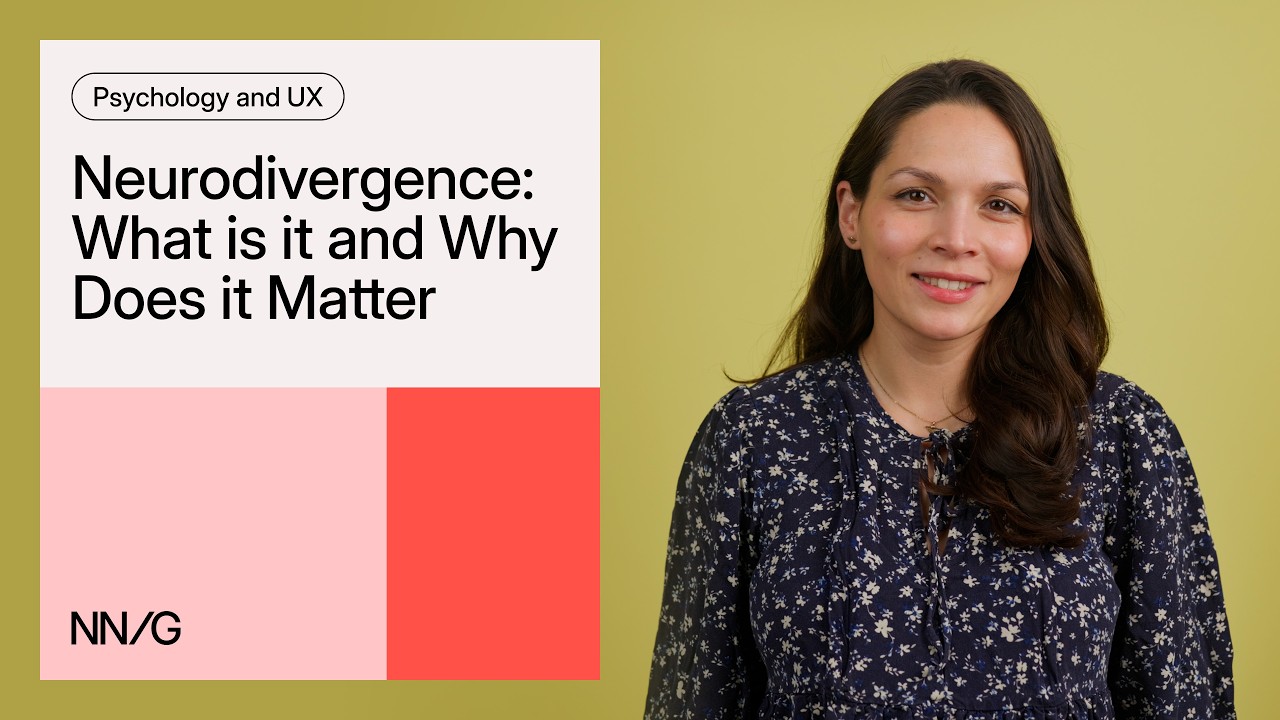
VideoNeurodivergence: What is it and Why Does it Matter
Neurodivergence describes variations in brain function and processing, encompassing conditions like autism and ADHD, which designers should understand to create more inclusive digital experiences.
7 Sept
Design Tools
Sidebar.io
ToolsThe singular viable product
The declining cost of software development, driven by LLMs and agentic coding, is ending the era of "mean viable products" designed for broad markets. This shift enables developers to create highly personalized "singular viable products" for an audience of one, which can then organically scale.
7 Sept6 min read
Design Tools
Editor's pick
Your product didn’t get worse
Customers' expectations for product usability are changing due to the rise of AI agents, making previously acceptable workflows feel tedious, even if product quality remains constant.
Sidebar.io
Look & feel
Inspiration picks
Visual references from across the design web.